

Corporate off-sites are meant to reset teams.
They offer a break from routine, a chance to reconnect colleagues, and an opportunity to think beyond everyday work schedules. But when the planning goes wrong, the outcome can feel rushed or unproductive.
Many organisations approach off-sites the same way they plan events. The focus goes into logistics, schedules, and presentations. The experience itself becomes secondary.
Successful corporate retreat planning requires a different mindset. It is less about filling every hour and more about creating the right environment for collaboration, conversation, and relaxation.
Avoiding a few common mistakes can make a significant difference.
Mistake 1: Overloading the Schedule
- One of the most common problems with corporate off-sites is trying to do too much.
- It often begins with good intentions. Teams want to maximise time away from the office, so the schedule fills quickly with workshops, presentations, activities, and meetings.
- By the end of the day, participants feel exhausted rather than refreshed.
- A successful offsite requires balance. Structured discussions are important, but unstructured time is equally valuable. Informal conversations during meals or evening gatherings often lead to more meaningful ideas than formal sessions.
- In corporate retreat planning, leaving room for spontaneity improves both engagement and creativity.
Mistake 2: Choosing the Wrong Location
- Location plays a crucial role in shaping the entire offsite experience.
- If the destination feels too busy, teams may struggle to disconnect from routine distractions. If it feels too remote without proper facilities, productivity may suffer.
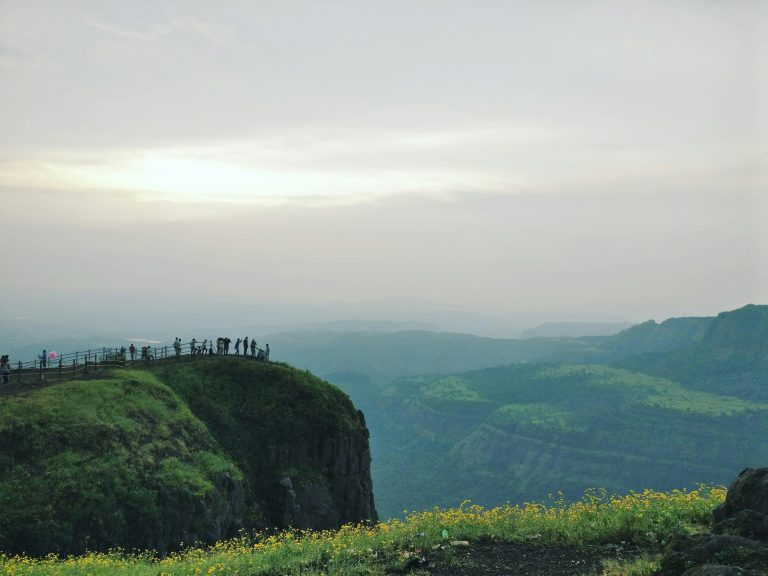
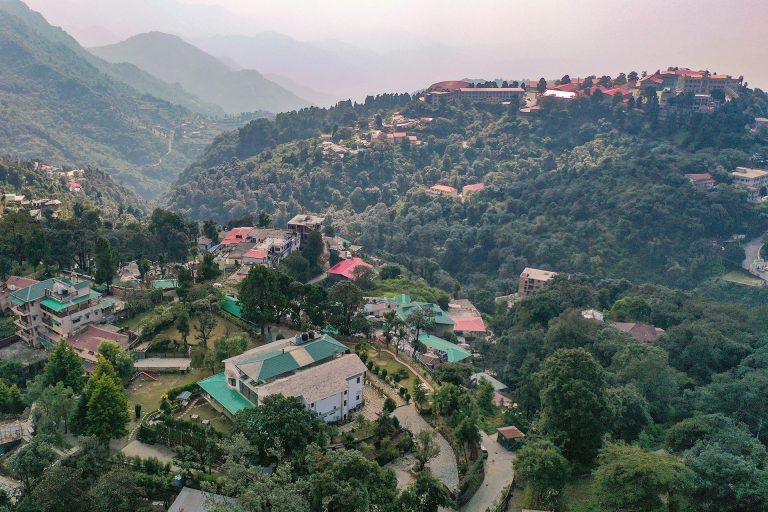
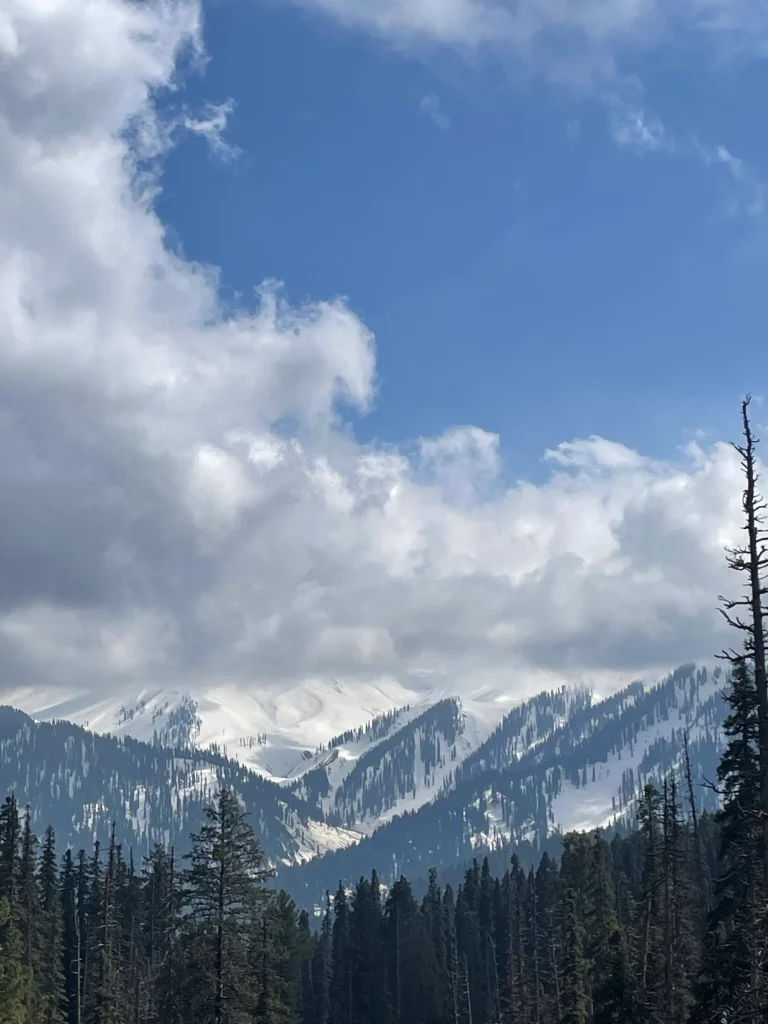
- The best locations strike a balance between accessibility and atmosphere. Hill stations, coastal retreats, or nature-based destinations often work well because they create physical and mental distance from the workplace.
- Equally important is choosing a property that supports group interactions. Open spaces, common areas, and comfortable meeting environments make discussions feel natural rather than forced.
Mistake 3: Ignoring Team Comfort
- Corporate retreats often bring together employees from different teams, departments, and seniority levels.
- Ignoring comfort factors such as accommodation quality, privacy, and dining arrangements can affect the overall mood of the trip.
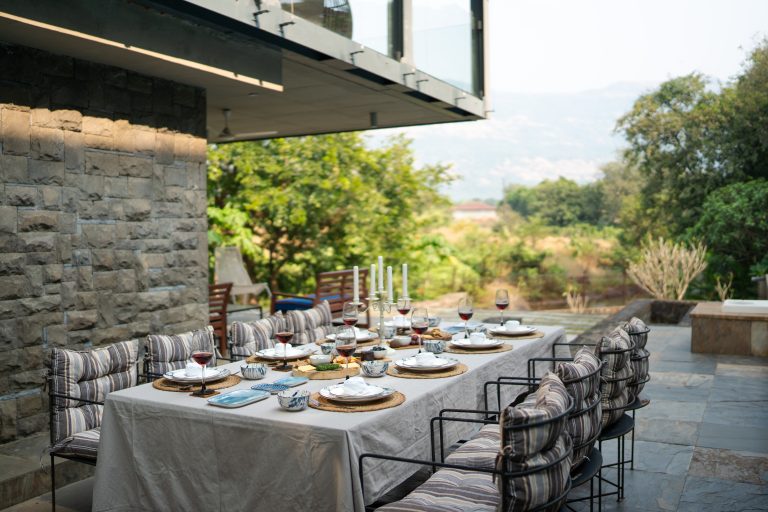
- Simple details make a difference. Spacious rooms, shared lounges, outdoor seating areas, and relaxed dining setups help people feel comfortable.
- When participants feel at ease, conversations flow more easily. This is especially important when teams are discussing new ideas or long-term strategies.
- In thoughtful corporate retreat planning, employee comfort becomes a priority rather than an afterthought.
Mistake 4: Treating the Off-sites Like a Conference
- Another common mistake is turning an off-site into a formal conference.
- Long presentations, rigid seating arrangements, and back-to-back sessions recreate the same environment employees experience in the office.
- An offsite should feel different.
- Outdoor activities, small-group discussions, and informal brainstorming sessions create a more engaging environment. Nature settings, open terraces, and shared dining experiences encourage genuine interaction.
- The goal is to create an atmosphere where ideas emerge naturally rather than through structured agendas alone.
Why the Right Venue Matters
- Choosing the right venue can resolve many of these challenges.
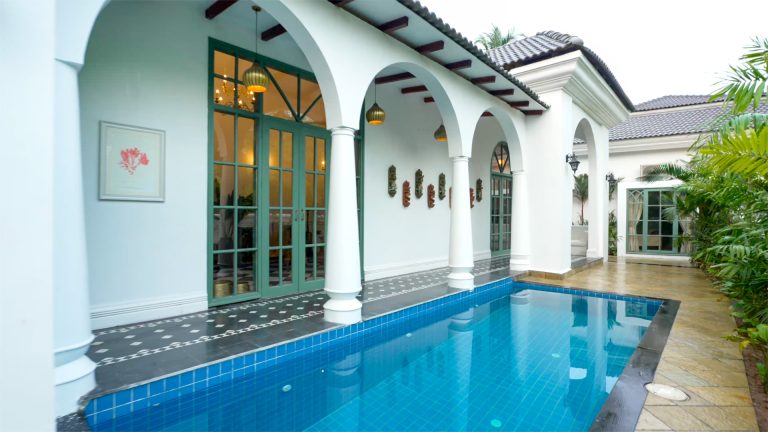
- Properties designed for group stays allow teams to interact without the constraints of traditional hotel spaces. Private villas and estate-style retreats offer flexibility in how the schedule unfolds.
- For example, curated corporate stays such as those offered by Lohono provide spacious villas with common lounges, outdoor areas, and personalised hospitality. Teams can host discussions in comfortable environments while also enjoying downtime together.
- These properties are designed specifically for group experiences, making them suitable for meetings, workshops, and team-building sessions.
Organisations exploring dedicated retreat spaces can learn more about these options through Lohono’s corporate stays collection, which focuses on fully serviced villas tailored for group gatherings.
Creating a Better Corporate Retreat
A successful offsite does not depend on complex programming.
Instead, it relies on a few thoughtful decisions:
- Choosing a destination that encourages relaxation
- Allowing space for informal interactions
- Ensuring comfortable accommodation
- Designing a schedule that balances work and downtime
When these elements come together, the retreat becomes more than just a company event.
It becomes an opportunity for teams to reconnect and realign.
Conclusion
Corporate off-sites can be powerful tools for strengthening teams and generating new ideas.
However, their success depends heavily on the planning approach. Avoiding common mistakes such as overloaded schedules, unsuitable locations, and overly formal structures can dramatically improve the experience.
Thoughtful corporate retreat planning focuses on creating the right environment rather than controlling every detail.
When teams have space to think, interact, and relax, the most valuable outcomes often emerge naturally.
FAQs
What is the ideal duration for a corporate retreat?
Most corporate off-sites work best over two to three days, allowing time for both discussions and informal team interactions.
What should be included in corporate retreat planning?
Location selection, accommodation comfort, balanced scheduling, and team-building opportunities are key elements.
Why are private villas suitable for corporate off-sites?
Villas provide shared spaces, privacy, and flexible environments that encourage collaboration and relaxed interaction among team members.


 CALL US +91 84306 00600