
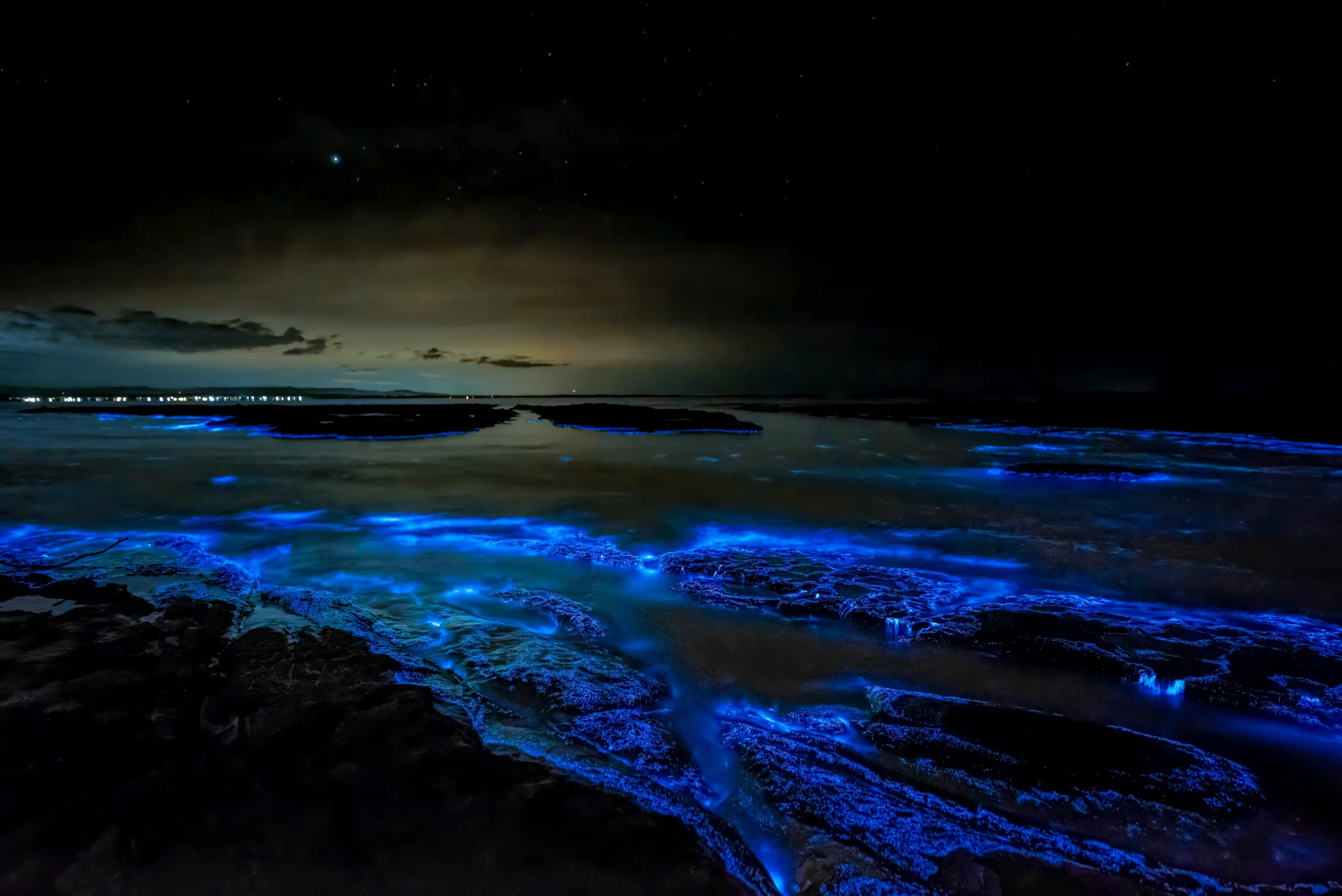
Some beaches in Goa glow after dark.
Not because of the lights. Not because of beach parties. But because of tiny marine organisms reacting to movement in the water.
It feels almost unreal the first time you see it. Waves glow blue for a few seconds before fading back into darkness.
Key Takeaways
- Bioluminescence in Goa is caused by microscopic marine organisms called phytoplankton that emit a blue glow when disturbed by movement in the water.
- The phenomenon is natural, unpredictable, and depends on factors such as plankton concentration, weather conditions, moonlight, and water movement.
- The best chances of witnessing bioluminescence are during the monsoon and post-monsoon months, typically between June and October.
- Quieter beaches with lower light pollution, particularly in South Goa and less crowded coastal stretches, offer better viewing opportunities.
- The glow is often subtle and short-lived, appearing as a blue shimmer around breaking waves or moving water.
- Late evenings and darker nights provide the best visibility, especially away from artificial lighting. Bioluminescence is best experienced with patience and realistic expectations, as sightings are never guaranteed.
- Pairing the experience with a peaceful villa stay allows travellers to explore Goa’s quieter, more atmospheric side during the monsoon season.
This natural phenomenon is called bioluminescence, and while it is not visible every night, certain conditions make it possible to witness along parts of Goa’s coastline.
If you are planning to experience a bioluminescent beach in Goa, here is what you should know before going.
What Causes Bioluminescence?
Bioluminescence happens because of microscopic marine organisms called phytoplankton.
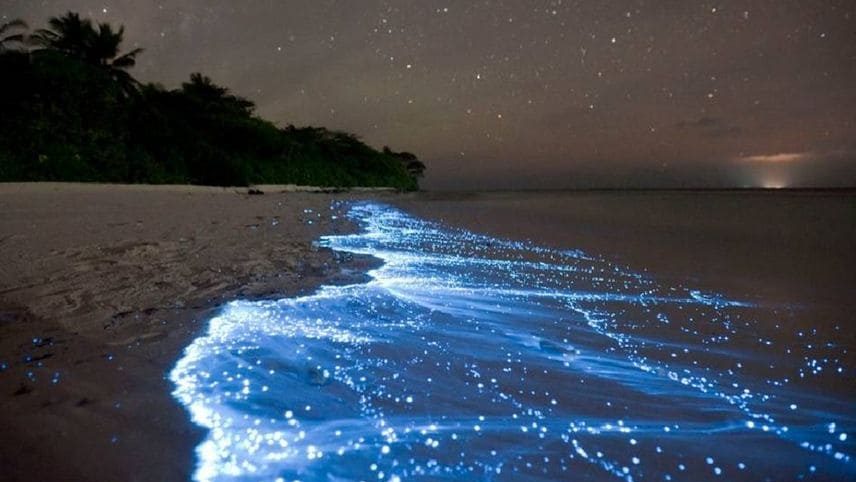
When the water moves, these organisms produce a blue glow as a defensive chemical reaction. The effect becomes visible when waves crash, boats pass through water, or even when someone walks close to the shoreline.
The glow is temporary but visually striking, especially in darker surroundings with minimal artificial lighting.
Does Goa Really Have Bioluminescent Beaches?
Yes, but it is not a permanent attraction.
Bioluminescence in Goa depends heavily on environmental conditions such as:
- Water movement
- Plankton concentration
- Weather conditions
- Moonlight levels
- Beach lighting
This means sightings are unpredictable. Some nights offer visible glowing waves, while others may show nothing at all.
That unpredictability is part of the experience itself.
Best Time to See Bioluminescence in Goa
The phenomenon is usually associated with monsoon and post-monsoon months.
Between June and October, conditions become more favourable due to changes in marine activity and reduced tourist activity at certain beaches.
Darker nights also improve visibility. Minimal moonlight and reduced artificial lighting make the glow easier to notice.
If you are searching for a bioluminescent beach in Goa, visiting during this period increases your chances.
Which Beaches in Goa May Show Bioluminescence?
There is no officially designated bioluminescent beach in Goa because the phenomenon varies with water conditions.
However, quieter beaches with lower light pollution offer better possibilities.
Areas around:
- South Goa’s quieter coastlines
- Certain stretches near Betalbatim and Colva
- Less crowded northern beaches late at night
sometimes report sightings during suitable conditions.
Remote or less commercial beaches generally work better because artificial lighting remains lower.
What the Experience Actually Feels Like
The glow is subtle, not dramatic like edited photographs online.
You usually notice it gradually.
A faint blue shimmer appears around moving water. Waves glow briefly as they break near the shore. Movement creates light for a few seconds before it disappears again.
The effect feels more atmospheric than overwhelming.
This is important to understand before planning the experience. The beauty of a bioluminescent beach in Goa lies in its unpredictability and natural subtlety.
Travellers looking for more immersive culinary experiences can also explore curated wine tasting experiences in Goa that combine local flavours, private settings, and relaxed evenings.
Why Monsoon Makes Goa Feel Different
Monsoon already changes Goa’s atmosphere significantly.
The crowds are reducing. The landscape turns greener. Roads feel quieter. Adding the possibility of bioluminescence creates another reason why some travellers now prefer Goa during this season rather than the peak winter months.
The experience becomes less about packed itineraries and more about slower coastal evenings.
Best Time of Night to Visit
Late evenings usually work best.
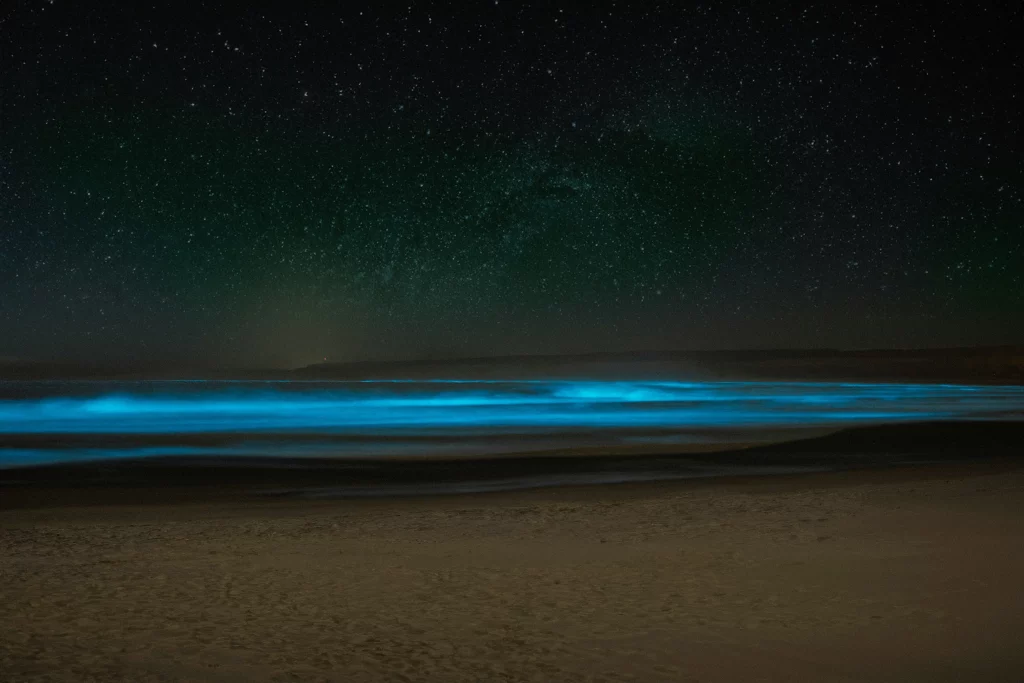
The darker the surroundings, the easier it becomes to notice the glow. Many travellers head towards quieter beach stretches after dinner when beach activity reduces further.
Artificial light affects visibility significantly, so areas away from restaurants and commercial sections generally work better.
What to Keep in Mind
A few things are important before planning:
- Bioluminescence is never guaranteed
- Avoid flash photography around the water
- Respect local beach guidelines
- Do not disturb marine life while exploring
- Choose quieter stretches instead of crowded beaches
The experience works best when approached patiently rather than as a fixed tourist activity.
Pairing the Experience with the Right Stay
Because sightings happen late in the evening, where you stay becomes important.

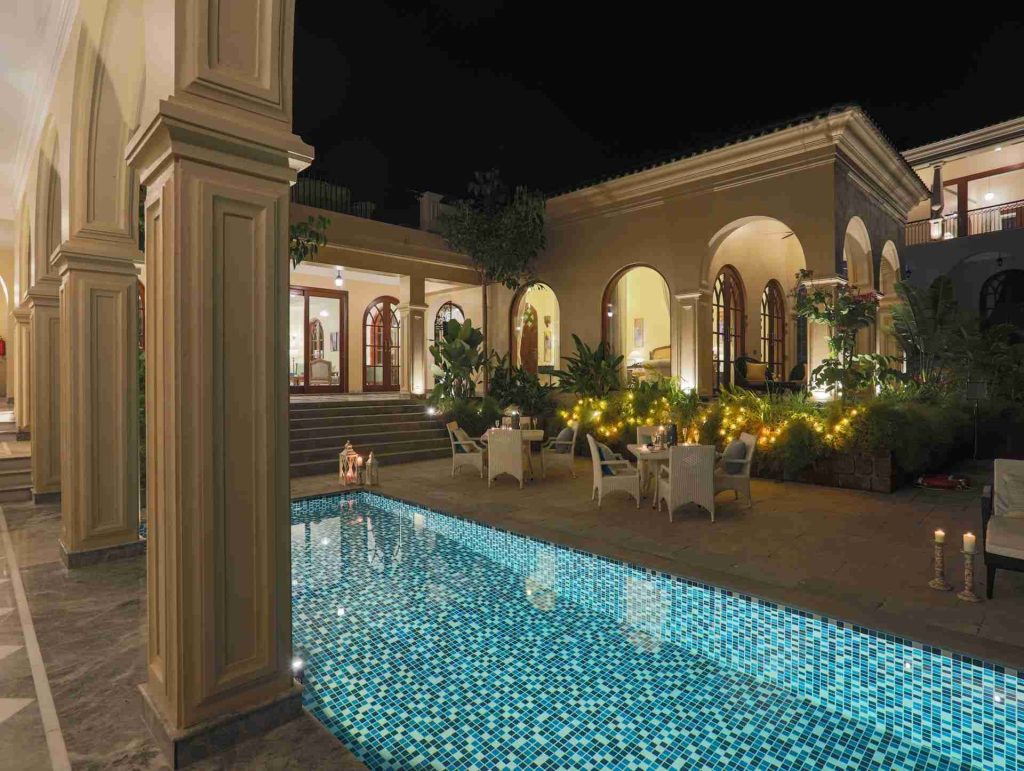
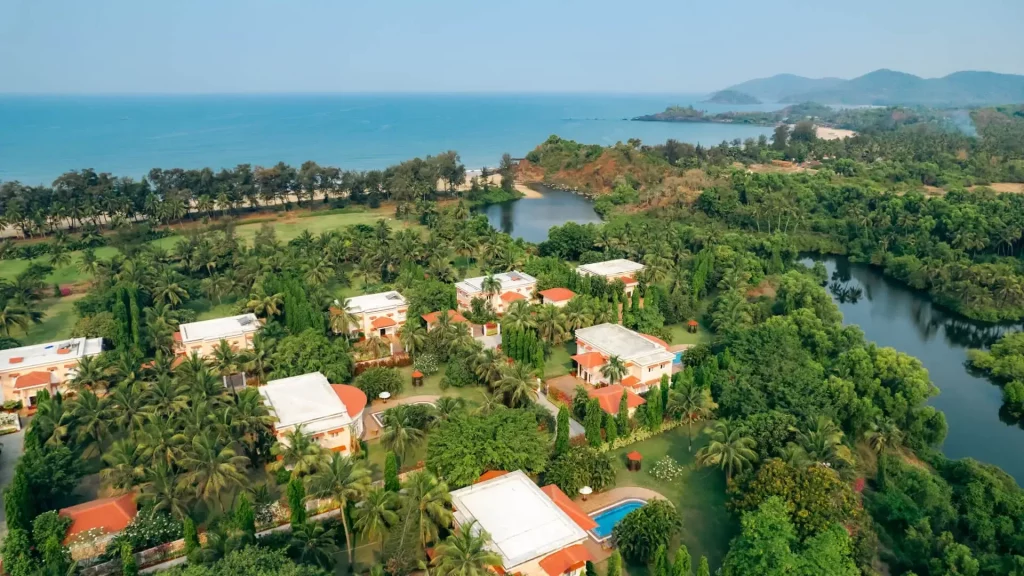
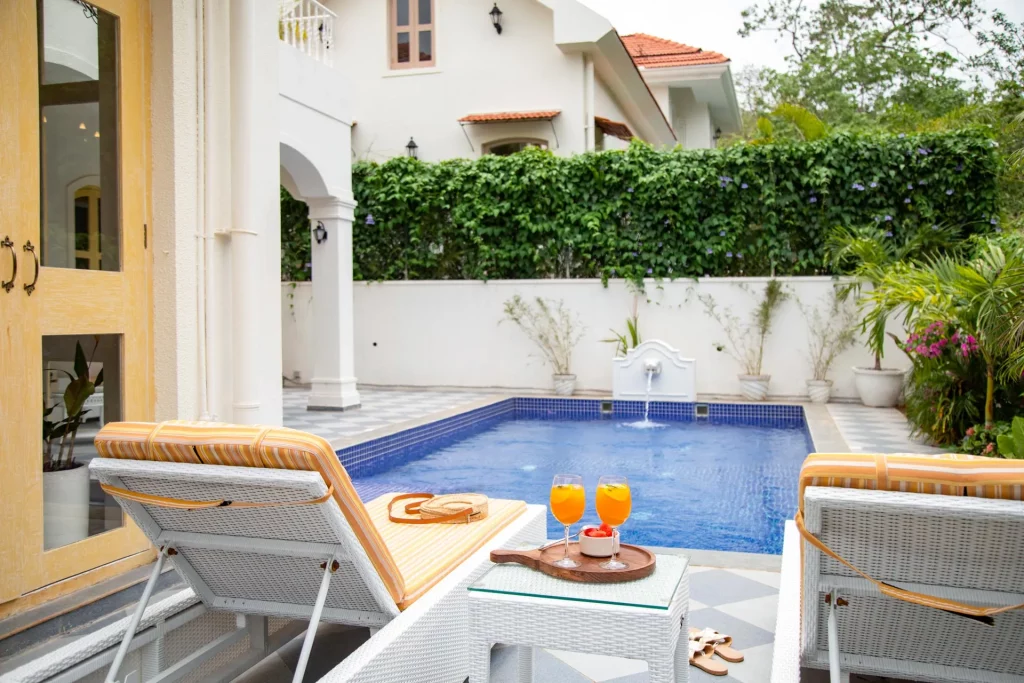
Travellers often prefer quieter villa locations away from crowded beach zones. This makes it easier to explore calmer stretches of coastline without long night travel.
Areas like Assagao, Siolim, and quieter South Goa pockets work particularly well for slower monsoon stays.
Curated stays such as Lohono villas across Goa offer spacious environments, private settings, and flexible travel experiences that suit monsoon travel naturally. For travellers looking for more relaxed, design-forward spaces, Luma villas also work well for quieter Goa trips where the focus remains on the overall atmosphere rather than packed schedules.
Is It Worth Planning a Trip Around?
Bioluminescence alone may not justify an entire Goa trip.
But it adds something unexpected to a monsoon visit.
The possibility of seeing glowing waves changes how you experience the coastline after dark. Even if conditions are imperfect, the quieter beaches and slower atmosphere remain rewarding on their own.
That is what makes the experience memorable.
Conclusion
A bioluminescent beach in Goa is not a guaranteed attraction.
It is a natural phenomenon that appears under the right conditions and disappears just as quickly. But when it happens, it changes the coastline completely for a few moments.
Blue waves glowing against dark beaches create an experience that feels quieter, subtler, and very different from Goa’s usual image.
And perhaps that unpredictability is exactly what makes it special.
FAQs
Yes, under the right environmental conditions, some quieter beaches in Goa may show bioluminescence.
Monsoon and post-monsoon months between June and October usually offer better chances.
Quieter beaches in South Goa and less crowded coastal stretches occasionally report sightings depending on conditions.






 CALL US +91 84306 00600