
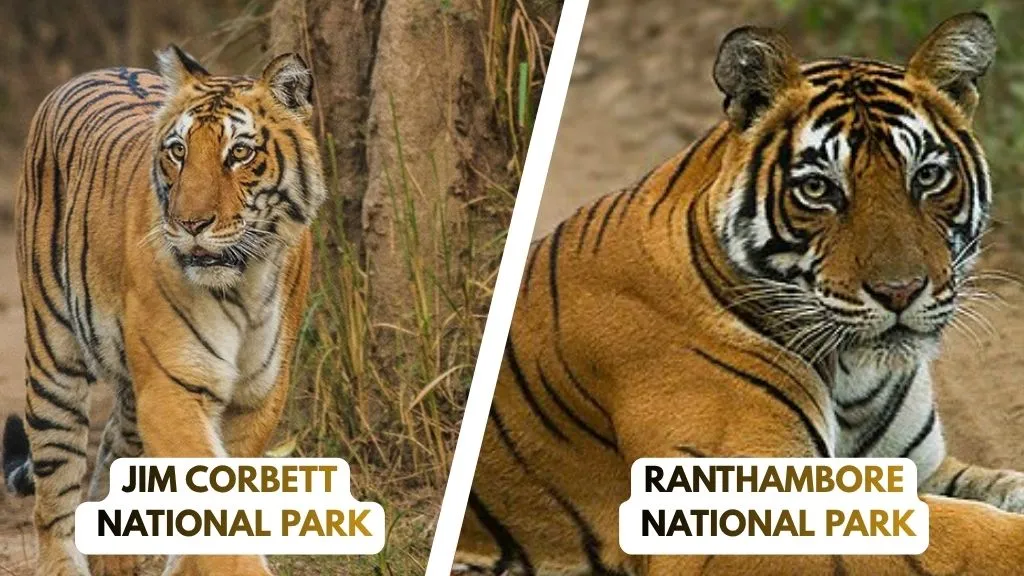
Two forests. Two very different experiences.
When travellers compare Jim Corbett vs Ranthambore, they are not just choosing between parks. They are choosing between two styles of wildlife travel.
Key TakeAways
- Jim Corbett and Ranthambore offer different styles of wildlife experiences.
- Corbett feels more immersive with dense forests and varied landscapes, while Ranthambore feels more open and easier to navigate visually.
- Wildlife sightings vary based on terrain—visibility plays a role in how animals are experienced in each park.
- Safari experiences differ, with Corbett offering varied zones and Ranthambore following more structured routes.
- The landscapes shape the overall feel—rivers and greenery in Corbett, and ruins and lakes in Ranthambore.
- Travel planning differs, with Corbett allowing more flexibility and Ranthambore requiring advance booking.
- The choice depends on personal preference—whether you enjoy a more immersive forest experience or a more open and visible one.
One feels dense and unpredictable.
The other feels open and cinematic.
Both offer the chance to see a tiger. But everything around that moment changes depending on where you go.
First Impressions: How the Forest Feels
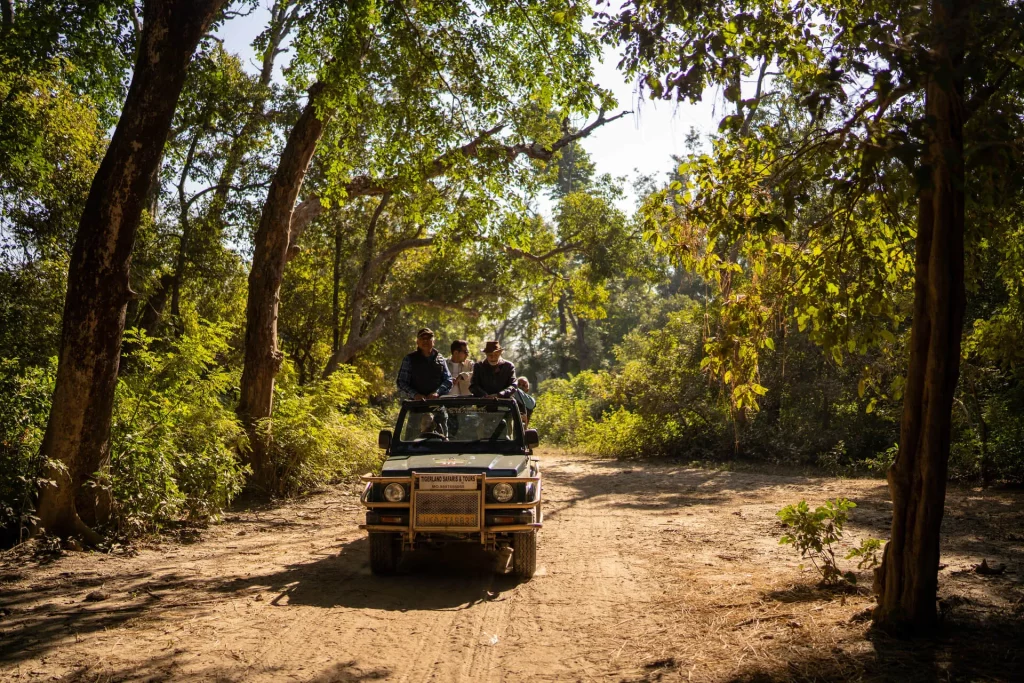
Step into Jim Corbett, and the forest surrounds you.
- Tall sal trees, riverbeds, and thick vegetation create a layered landscape. You do not always see far ahead. The experience feels immersive. You are inside the forest.
- Ranthambore feels different from the start.
- The terrain opens up. Dry forests, lakes, and rocky outcrops create wide views. You can often see across large sections of land. The forest reveals itself more easily.
In the jim corbett vs ranthambore comparison, Corbett feels enclosed. Ranthambore feels expansive.
Sightings: What You Are Likely to See
Wildlife is never guaranteed in any forest. But terrain changes how sightings happen.
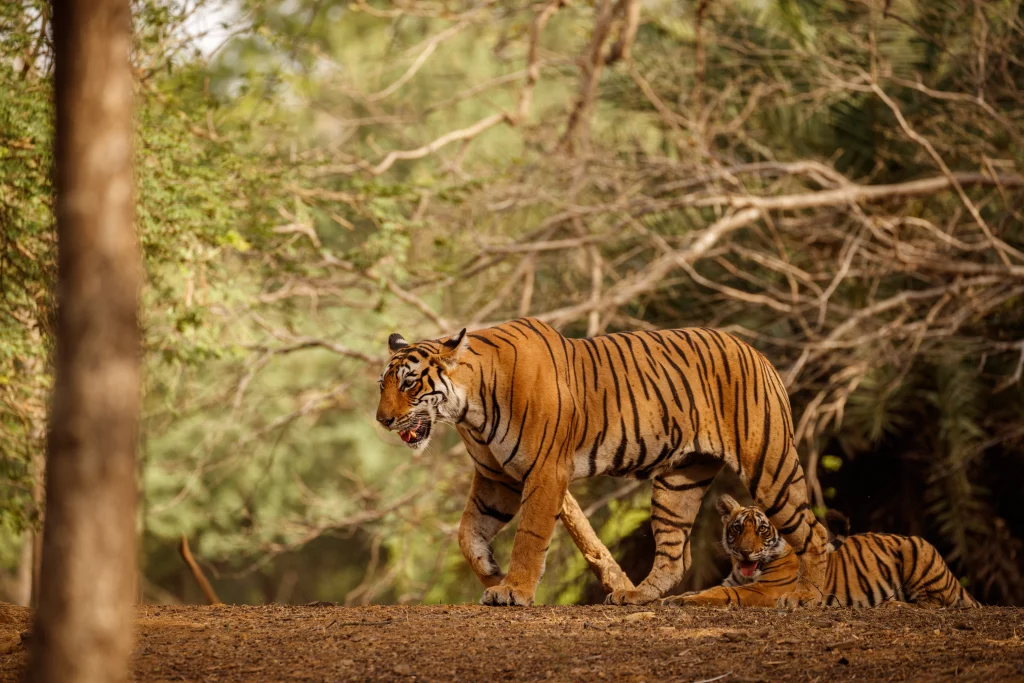
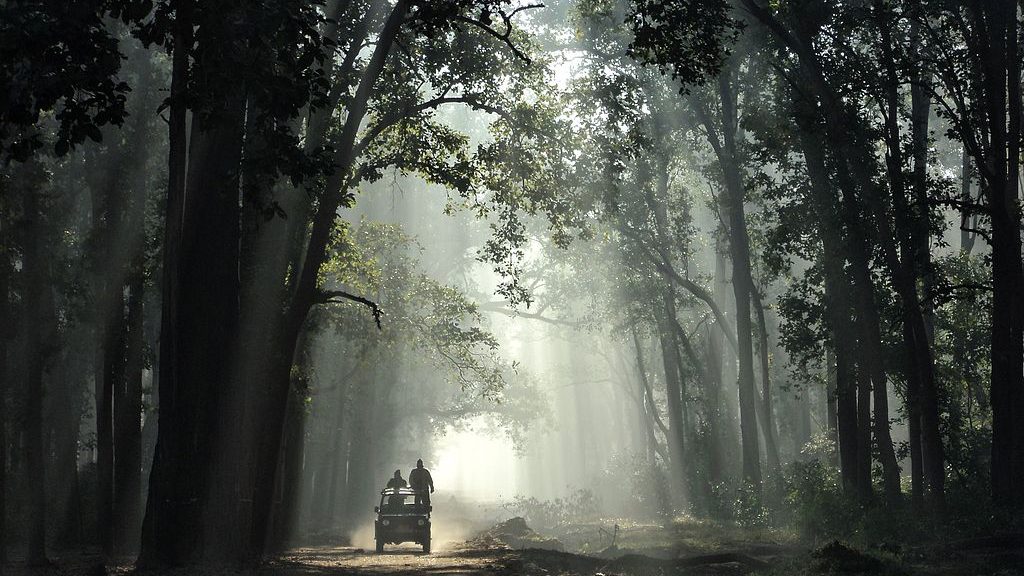
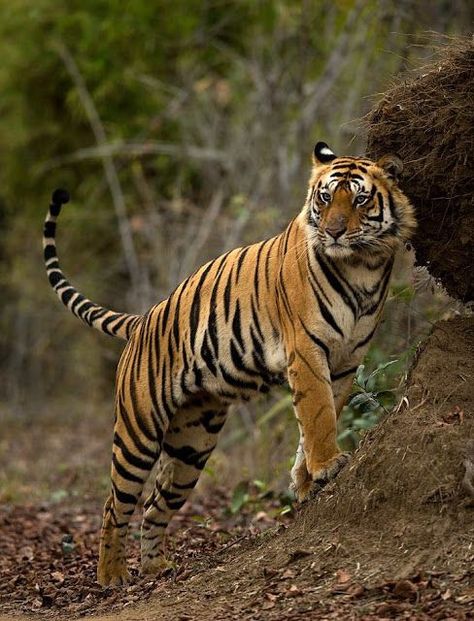
- In Ranthambore, visibility works in your favour. Open spaces and defined zones make it easier to track movement. Tigers are often spotted near water bodies or crossing open trails.
- In Jim Corbett, sightings feel more unpredictable. Animals move through dense cover, and you may hear them before you see them.
- Corbett offers a broader range of sightings. Elephants, deer, crocodiles, and birdlife appear frequently. Ranthambore feels more focused on the possibility of seeing a tiger.
If your priority is a higher chance of tiger visibility, Ranthambore has an advantage. If you value the overall ecosystem, Corbett offers more variety.
The Safari Experience: Movement vs Method
A safari is not just about what you see. It is about how you move through the forest.
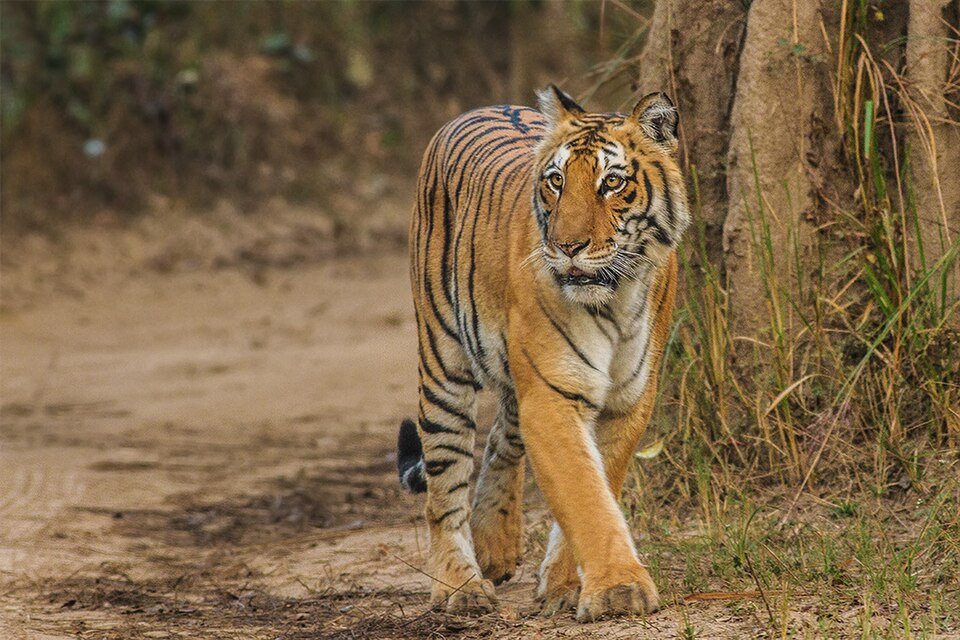
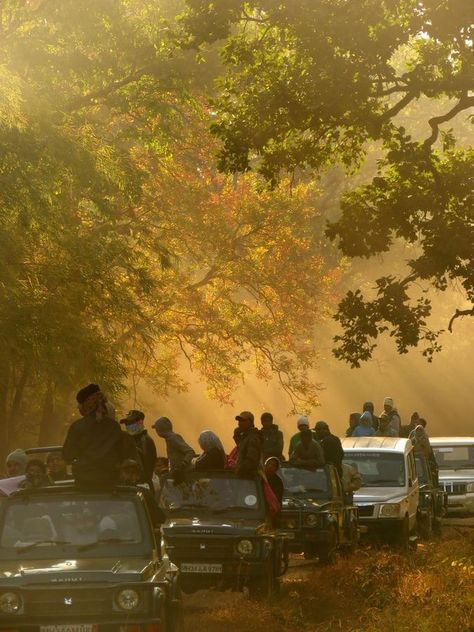
- In Jim Corbett, safaris vary significantly by zone. Dhikala offers grasslands and river views. Bijrani has dense forests. Jhirna remains open through most of the year. Each zone changes the experience.
- Ranthambore safaris follow structured routes within designated zones. The terrain remains relatively consistent, and tracking becomes more predictable.
Corbett feels exploratory. Ranthambore feels methodical.
Landscape Identity: River vs Ruins
The visual identity of each park stays with you.
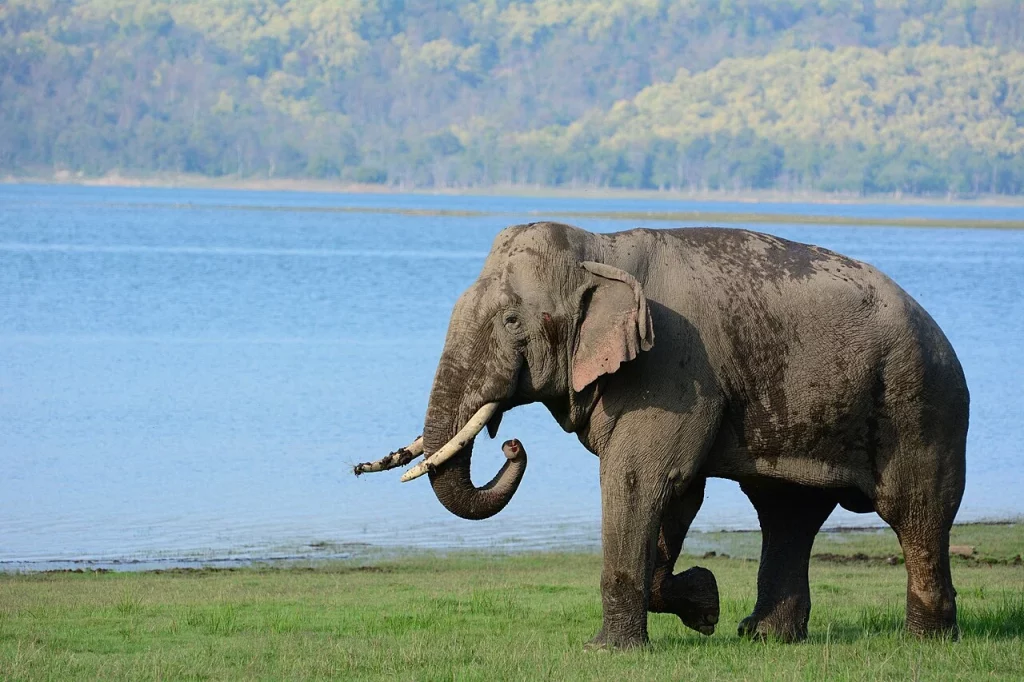
- Jim Corbett is shaped by the Ramganga River. Water flows through the park, creating life around it. River crossings, grasslands, and forest edges define the scenery.
- Ranthambore is shaped by history.
- Ancient ruins, old watchtowers, and Ranthambore Fort rise within the forest. Lakes reflect these structures, creating a dramatic contrast between nature and architecture.
In the Jim Corbett vs Ranthambore context, Corbett feels natural and fluid. Ranthambore feels historic and defined.
Travel Rhythm: Fast vs Slow Planning
The way you plan your trip also differs.
- Corbett allows more flexibility. Multiple zones and accommodation options make it easier to plan even short trips. You can adjust based on availability.
- Ranthambore requires more structure. Safari zones are tightly controlled. Bookings fill early, especially during peak season.
If you prefer flexible travel, Corbett feels easier. If you are comfortable planning in advance, Ranthambore works well.
If you’re planning your safari in detail, you can also explore the best zones in Jim Corbett for safari and wildlife sightings to understand how each area offers a slightly different experience.
Best Time to Visit
Timing changes the experience in both parks.
- Jim Corbett remains open throughout the year, though some zones close during monsoon. Winter offers pleasant weather, while summer improves chances of sightings near water.
- Ranthambore operates from October to June. Summer months often increase tiger sightings as animals gather near lakes.
Choosing the right season depends on what you want to prioritise: comfort or visibility.
Where You Stay Extends the Experience
A safari lasts a few hours. The stay defines the rest of the trip.
- In Jim Corbett, staying close to the forest allows early access to safari gates and a quieter environment after the drive. Properties surrounded by greenery continue the feeling of being in nature.
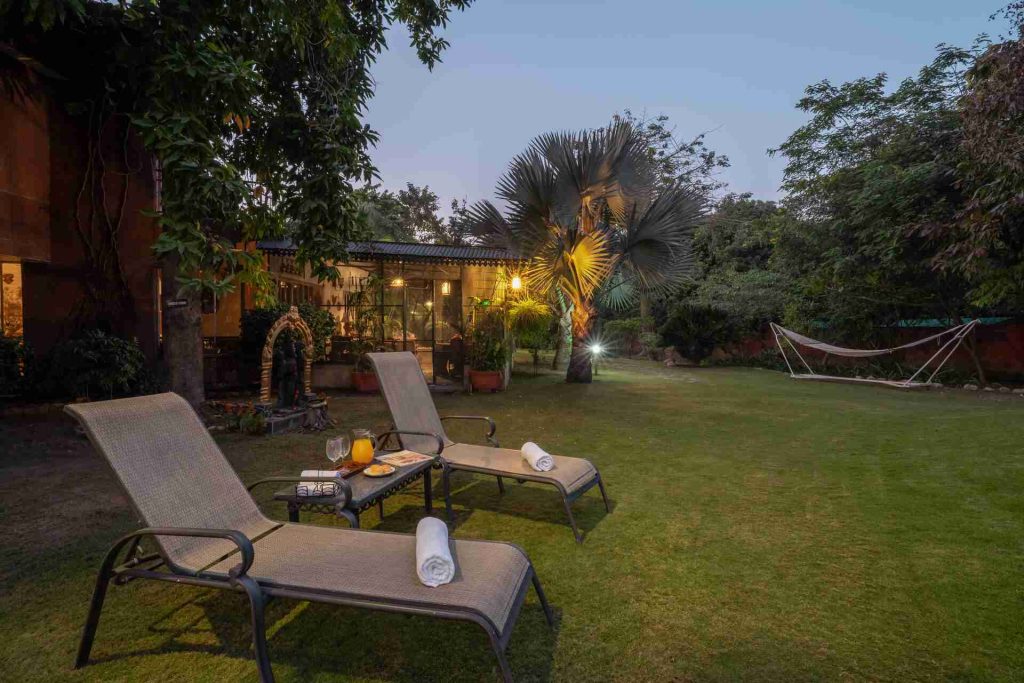
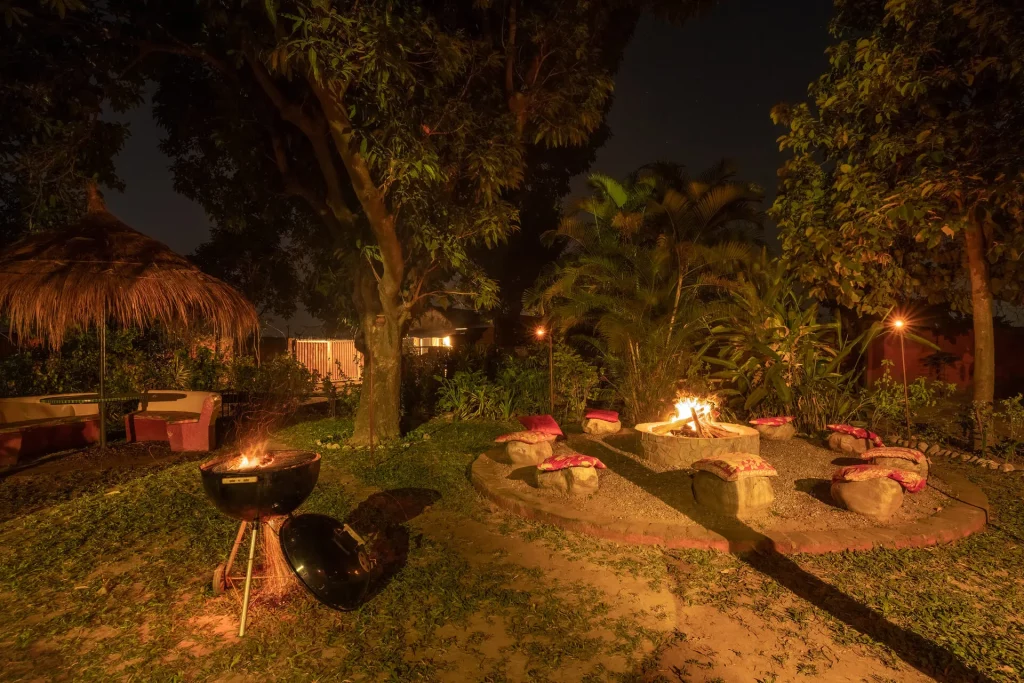
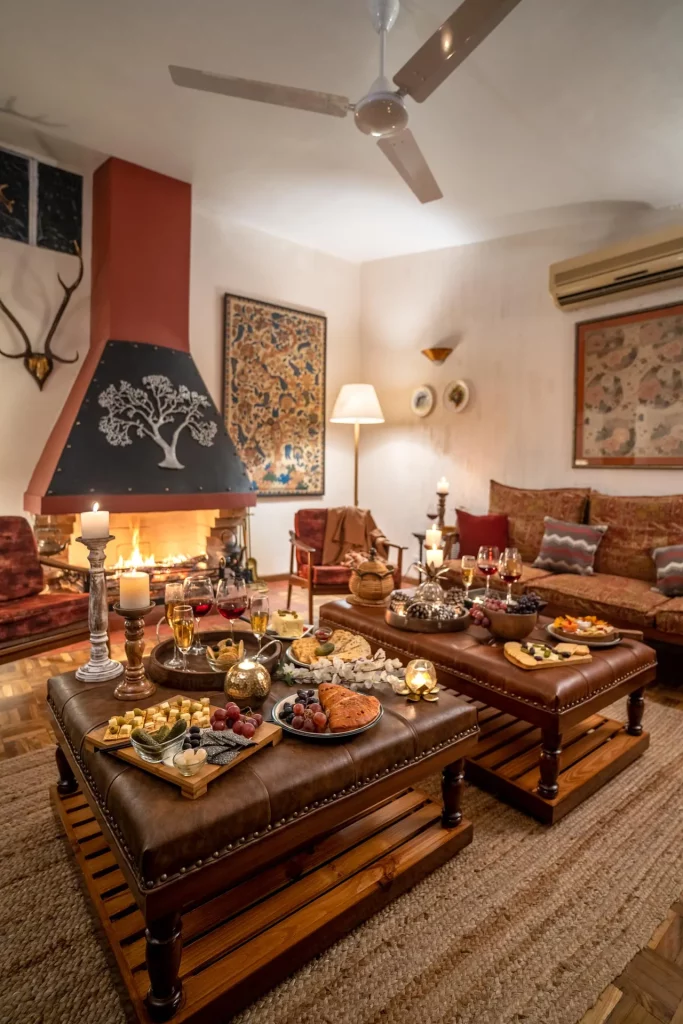
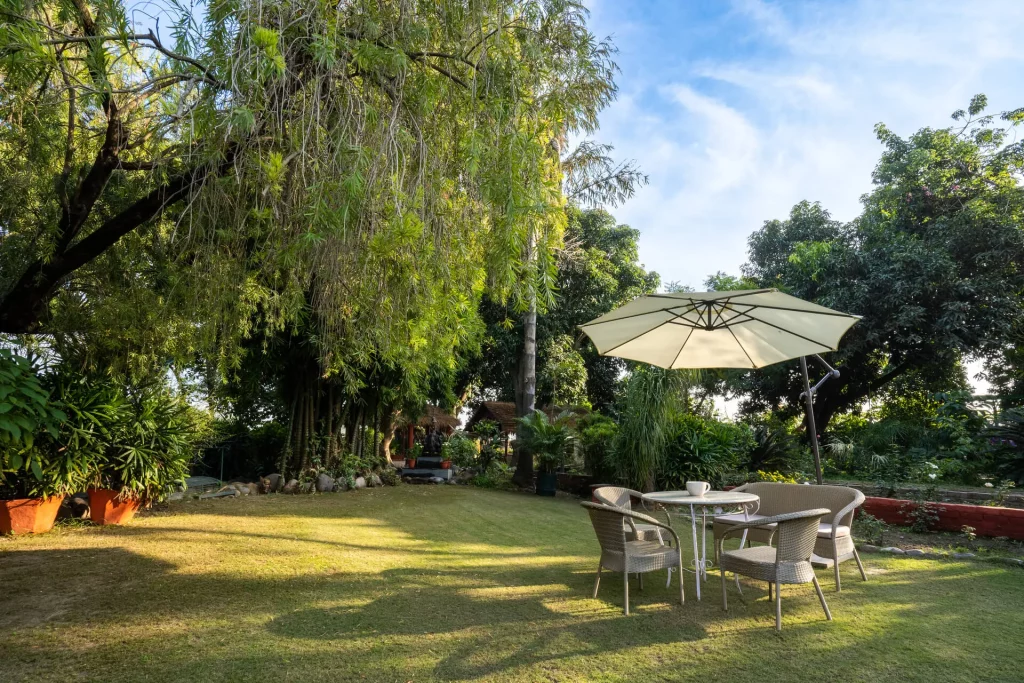
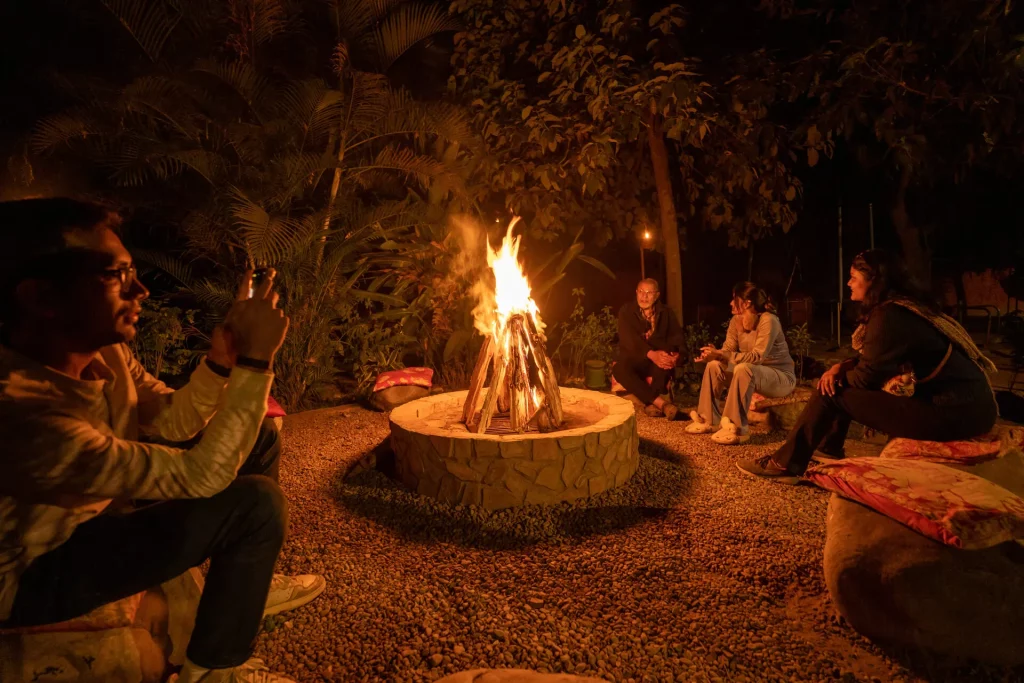
- Curated stays such as Lohono villas near Corbett, including The Homestead, offer private spaces, open lawns, and personalised service. This allows travellers to move from the forest into a calm, comfortable setting without losing the connection to the landscape.
In Ranthambore, most stays are located near entry zones, offering convenience and quick access to safaris.
The right stay shapes how the entire wildlife trip feels.
Who Should Choose Jim Corbett?
Choose Jim Corbett if:
- You enjoy varied landscapes
- You want to see more than just one type of wildlife
- You prefer flexible travel plans
- You appreciate quieter, less predictable experiences
Corbett suits travellers who value the journey through the forest as much as the sightings.
If you’re planning your trip with limited time, this 1-day itinerary for Jim Corbett can help you structure your day from safari to evening experiences.
Who Should Choose Ranthambore?
Choose Ranthambore if:
- Tiger sightings are your main goal
- You prefer open landscapes
- You want clearer visibility during safaris
- You are comfortable planning in advance
Ranthambore suits travellers focused on specific wildlife moments.
So, Which One Should You Choose?
- If you want a forest that feels alive in every direction, choose Jim Corbett.
If you want a forest that reveals its wildlife more clearly, choose Ranthambore. - The decision in Jim Corbett vs Ranthambore is not about which park is better.
- It is about how you want to experience the wild.
Conclusion
Both Jim Corbett and Ranthambore offer strong wildlife experiences, but they do so in very different ways.
Corbett gives you diversity, rivers, and layered forests. Ranthambore gives you visibility, structure, and dramatic landscapes.
The better choice is not universal.
It depends on whether you prefer immersion or clarity, unpredictability or precision.
Frequently Asked Questions
Ranthambore generally offers better visibility for tiger sightings due to its open terrain.
Yes. Jim Corbett supports a wider variety of animals, including elephants, birds, and reptiles.
Jim Corbett is usually easier due to flexible zones and accessibility.




 CALL US +91 84306 00600