
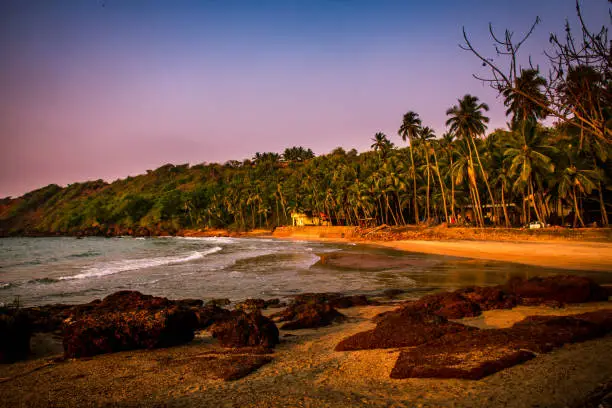
Goa in monsoon feels different the moment you arrive.
The pace shifts. The crowds thin out. The landscape turns green in a way that feels almost unexpected if you have only seen Goa in peak season.
Summary
- North Goa offers café culture, shorter travel distances, and more activity even during the monsoon.
- South Goa is quieter, greener, and ideal for travellers looking to slow down and relax.
- Monsoon in Goa shifts the focus from water sports to scenic drives, villas, cafés, and nature.
- Choosing the right stay becomes more important during the rainy season, especially for indoor comfort and longer villa experiences.
But once you decide to visit during this time, another question comes up.
North or South?
If you are exploring places to visit in Goa during monsoon, the answer depends less on popularity and more on how you want your trip to feel. Both regions remain accessible, but the experience changes noticeably.
The Monsoon Shift in Goa
Before comparing regions, it helps to understand what changes during the monsoon.
The sea becomes rough, so water sports are usually paused. Beach shacks operate selectively. Movement slows down across the state.
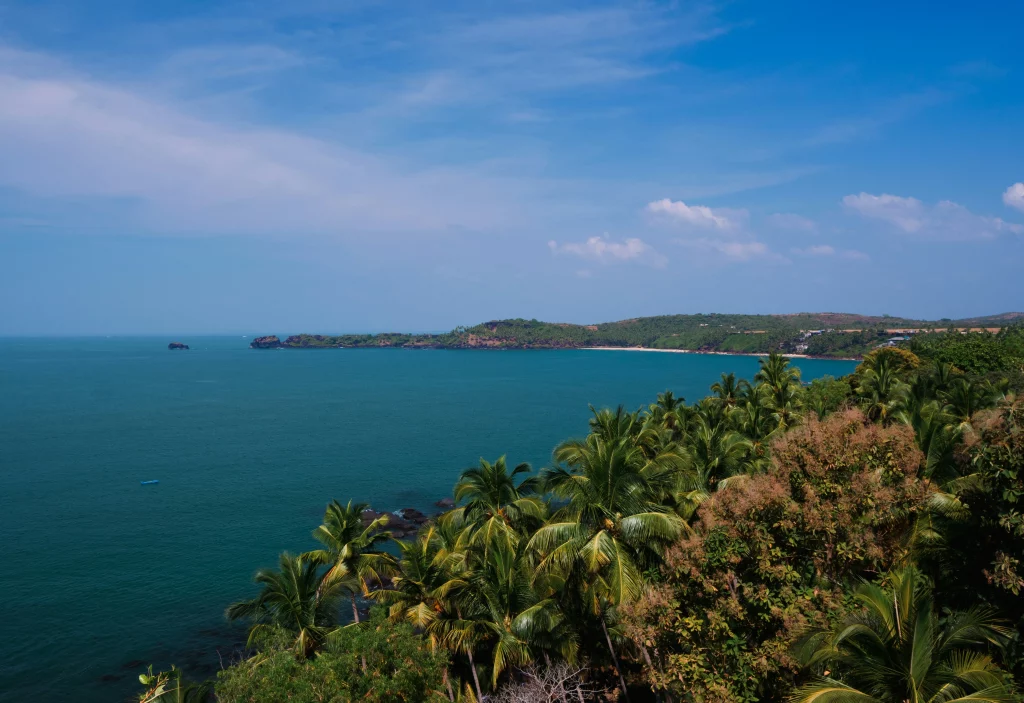
At the same time, Goa becomes greener. Rivers swell, paddy fields return, and the air feels fresher.
This shift makes inland exploration, scenic drives, cafés, and stays more central to the experience.
North Goa in Monsoon: Movement with a Slower Edge
North Goa does not lose its energy in the monsoon. It simply softens.
Areas like Assagaon, Anjuna, Vagator, and Siolim remain active, with cafés, restaurants, and boutique spaces continuing to operate. The difference is in the pace. You can explore without the usual rush.
What Works Well in North Goa
- Café hopping across Assagaon and Anjuna
- Exploring quieter beaches like Vagator and Ashwem
- Visiting Chapora Fort during misty mornings
- Scenic drives between villages
North Goa also offers more options when it comes to indoor spaces. This becomes useful during intermittent rain.
For travellers looking for places to visit in Goa during monsoon that still offer variety, North Goa remains a strong choice.
South Goa in Monsoon: Space and Stillness
South Goa changes more noticeably during the monsoon.
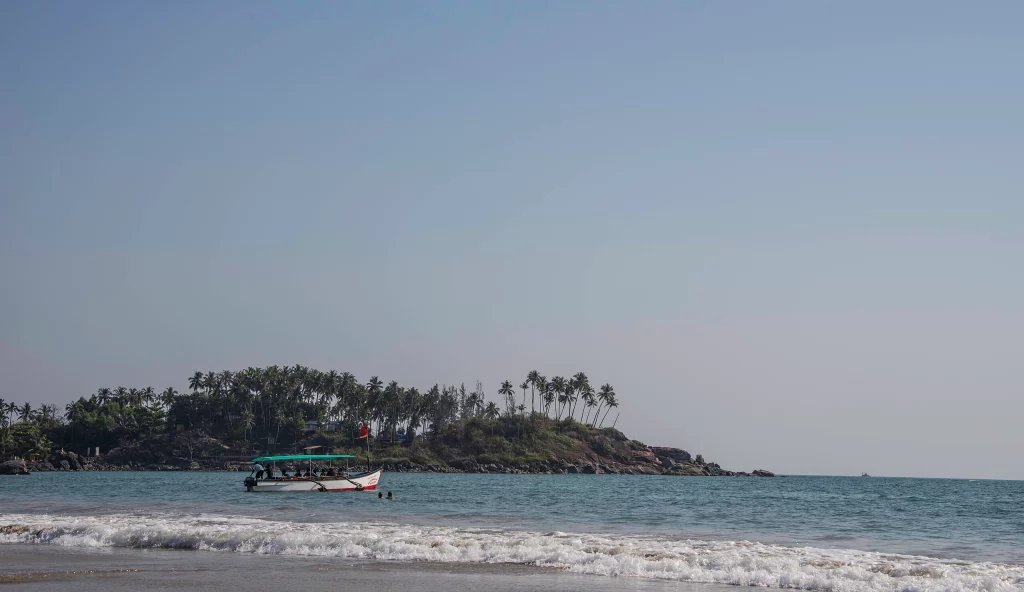
The region becomes quieter, with fewer visitors and minimal commercial activity. Beaches stretch out without interruption. Roads feel emptier. The overall environment feels more open.
What Works Well in South Goa
- Long walks on beaches like Colva, Benaulim, and Palolem
- Drives through countryside roads and paddy fields
- Visiting waterfalls and river viewpoints
- Spending time during your stay
South Goa is less about movement and more about settling in.
For travellers who want to slow down, this part of Goa offers a different kind of experience.
How Your Days Feel
The difference between North and South Goa becomes clearer when you look at how your day unfolds.
In North Goa, the day usually includes stepping out. Even in the monsoon, there are enough cafés and spots to explore between rain breaks.
In South Goa, the day often stays centred around your location. You step out occasionally, but a large part of the time is spent within your surroundings.
Both approaches work, but they create very different rhythms.
Accessibility and Convenience
North Goa is easier to navigate during monsoon.
Shorter distances between cafés, restaurants, and villas make it simpler to move around, even with unpredictable weather.
South Goa requires slightly more planning. Distances between spots are longer, and fewer places remain open during heavy rain.
If convenience is a priority, North Goa offers more flexibility.
Choosing Where to Stay
In the monsoon, your stay becomes more important than usual.
You spend more time indoors or within the property, so the quality of your space directly affects your trip.
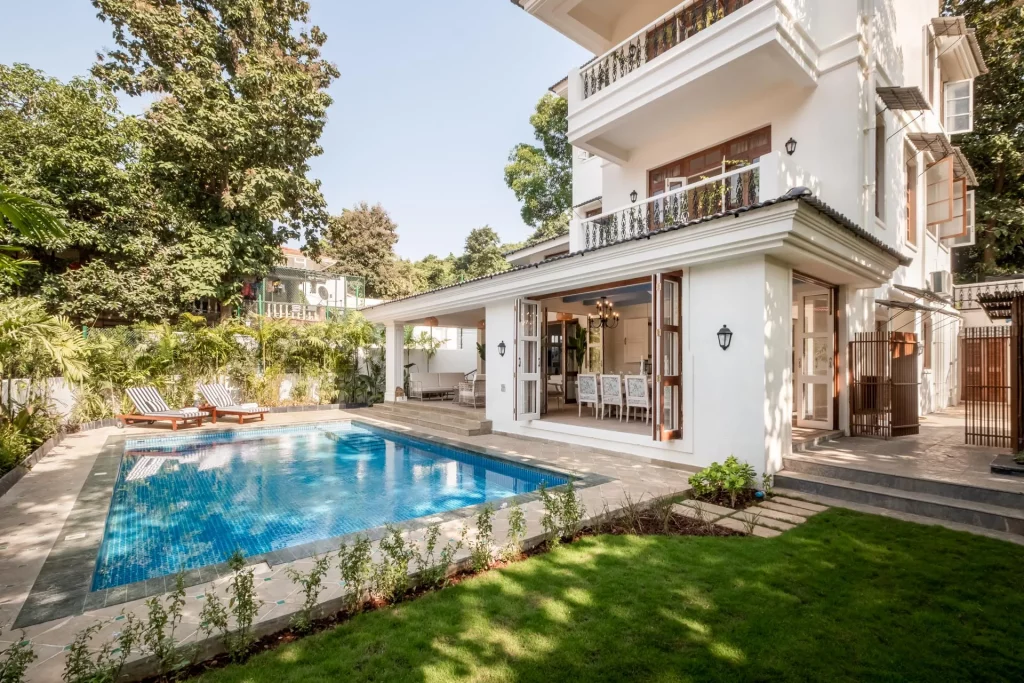
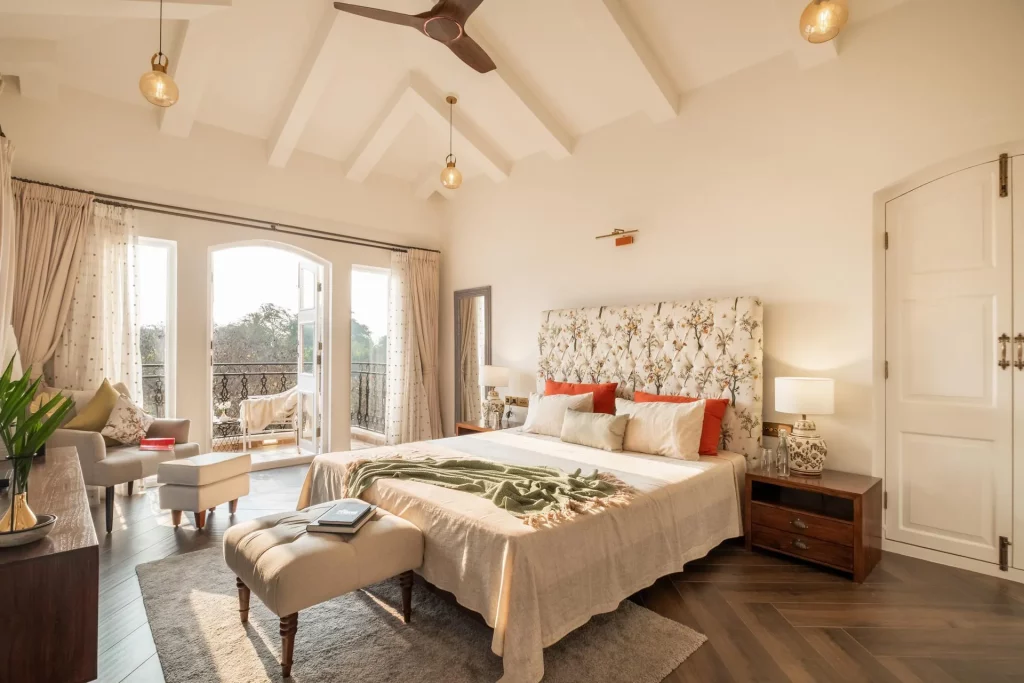
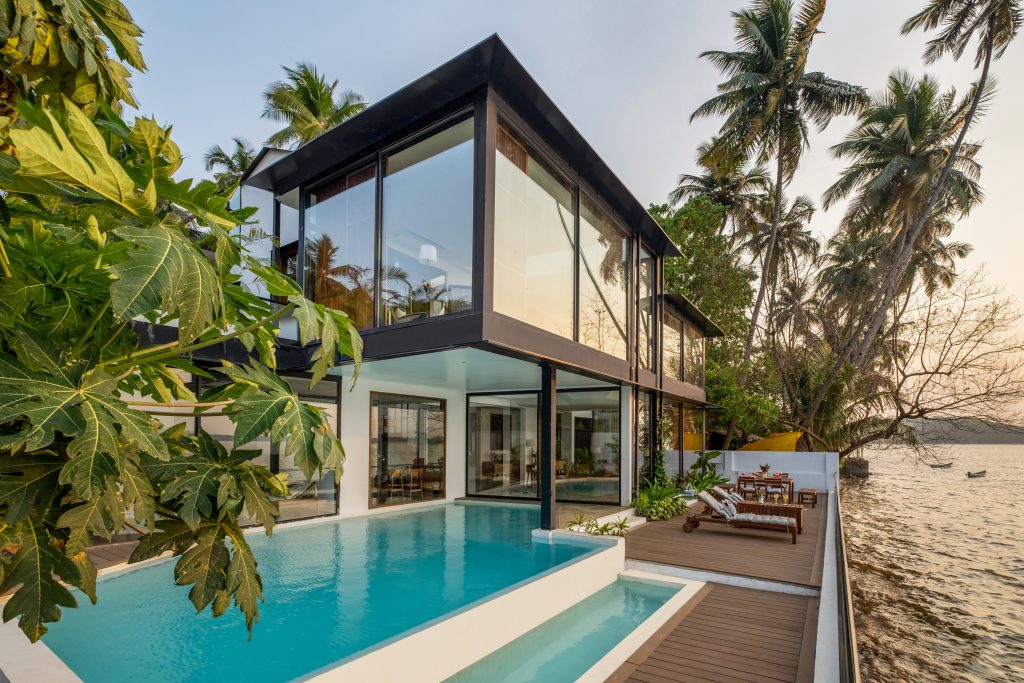
In North Goa, villas in areas like Assagaon and Siolim allow you to stay close to cafés while still enjoying privacy. These locations strike a balance between movement and comfort.
In South Goa, villas become the centre of the experience. Open spaces, private pools, and quiet surroundings make it easier to spend entire days within the property.
Curated stays such as Lohono villas across Goa offer both options. For travellers looking for a more relaxed, design-led setup, Luma villas in Moira (North Goa) provide thoughtfully designed spaces with intuitive hospitality, making them well-suited for monsoon travel when staying in becomes part of the plan.
Which Region Should You Choose?
The answer depends on your travel style.
Choose North Goa if you:
- Want café hopping and variety
- Prefer shorter travel distances
- Like a mix of indoor and outdoor plans
- Want more options during unpredictable weather
Choose South Goa if you:
- Prefer quieter surroundings
- Enjoy long, uninterrupted beach walks
- Want minimal movement
- Plan to spend more time during your stay
Best Places to Visit in Goa During Monsoon
Across both regions, a few experiences stand out:
- Fort viewpoints like Chapora and Cabo de Rama
- Village drives through Assagaon, Siolim, and the South Goa countryside
- Waterfalls and river spots during peak rains
- Café circuits in North Goa
- Quiet beach stretches in South Goa
These define the best places to visit in Goa during monsoon, shifting focus away from crowded hotspots.
Conclusion
Goa in monsoon is not about doing more.
It is about experiencing the destination differently.
North Goa keeps you moving, even at a slower pace. South Goa invites you to slow down completely.
The better choice depends on how you want your days to feel.
Active or still. Structured or open.
Once that is clear, the decision becomes easy.
FAQs
Is Goa worth visiting during the monsoon?
Yes. The landscape becomes greener, crowds reduce, and the overall experience feels calmer.
Which is better in the monsoon, North Goa or South Goa?
North Goa offers more activity and options, while South Goa offers quieter surroundings and open spaces.Are beaches accessible in Goa during the monsoon?
Yes, but swimming and water sports are usually restricted due to rough sea conditions.



 CALL US +91 84306 00600