Kashmir does not look the same twice.
Visit in January, and you step into a snow-covered valley. Visit a few months later, and the same landscape begins to bloom. The mountains remain, but the mood shifts entirely.
If you are planning a trip and wondering whether to choose winter or Kashmir in spring season, the decision depends on the kind of experience you want.
Both seasons are beautiful. They simply offer different atmospheres.
The Landscape: White Silence vs Blooming Colour
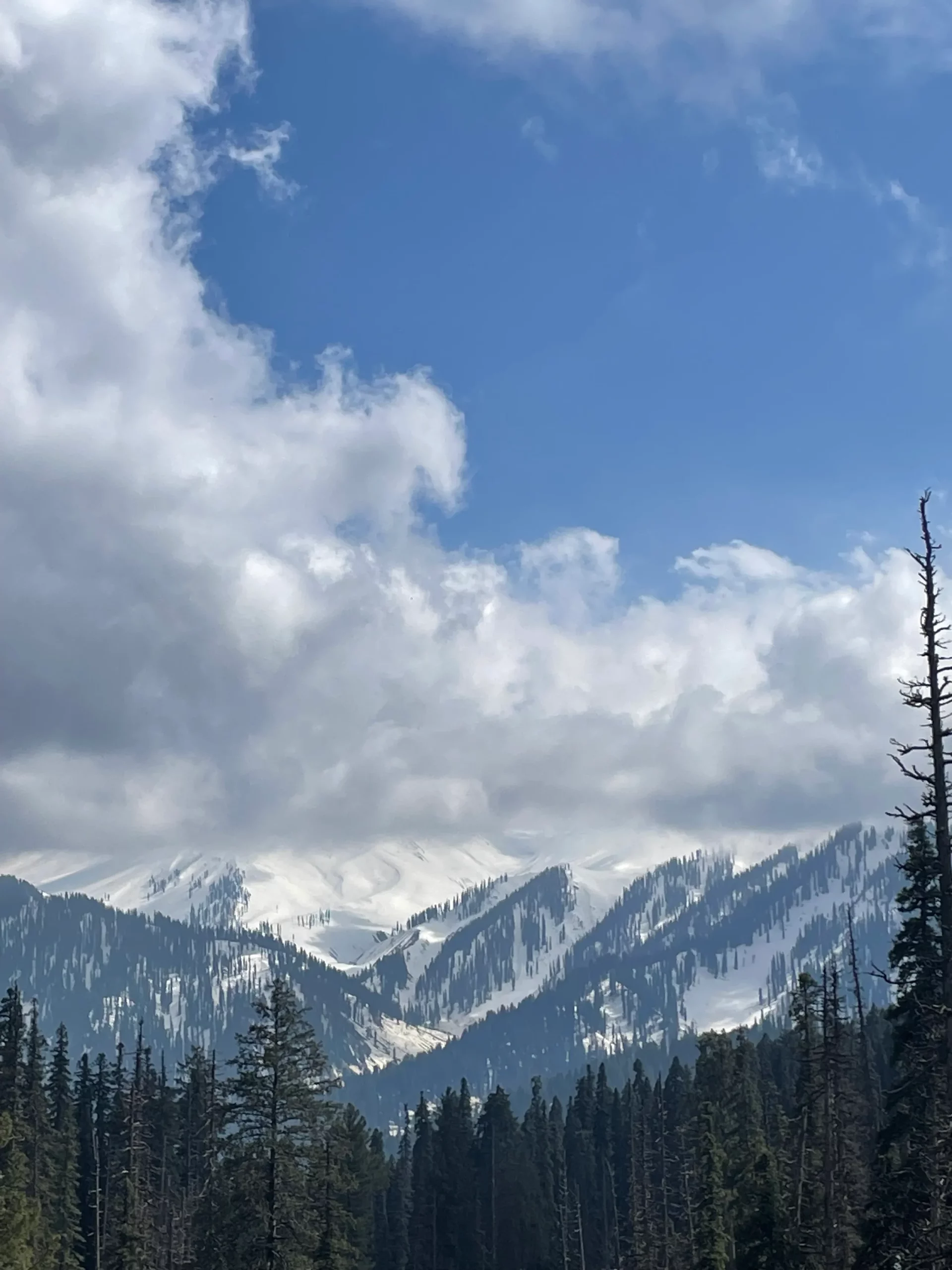
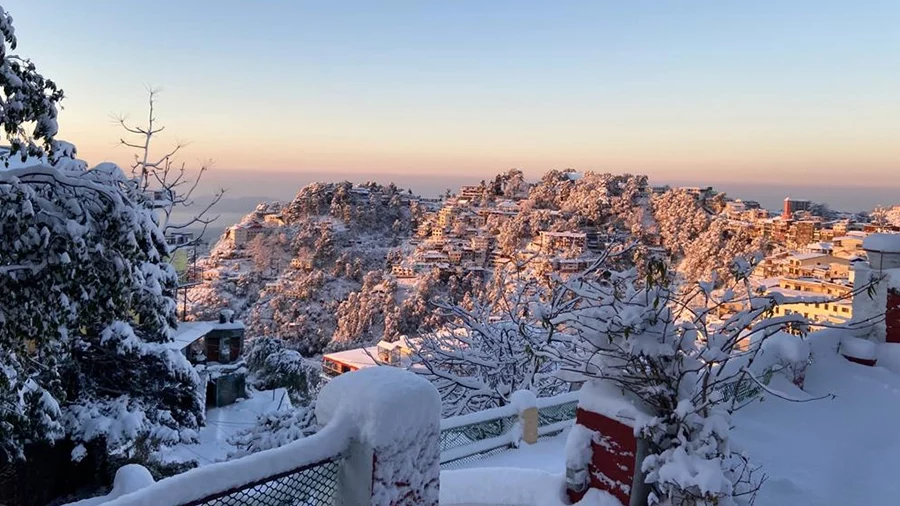
- Winter in Kashmir transforms the valley into a quiet, snow-lined setting. Rooftops turn white. Pine trees hold frost. Lakes appear partially frozen during peak cold waves. The Zabarwan and Pir Panjal ranges feel sharper against clear skies.
- Spring softens everything.
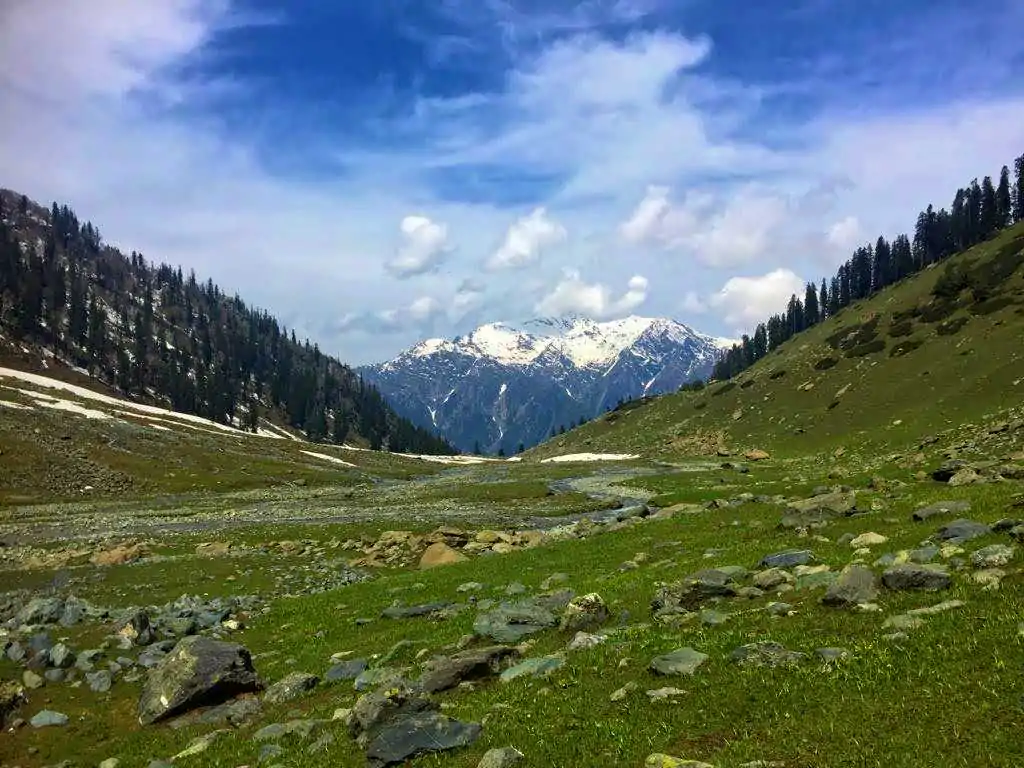
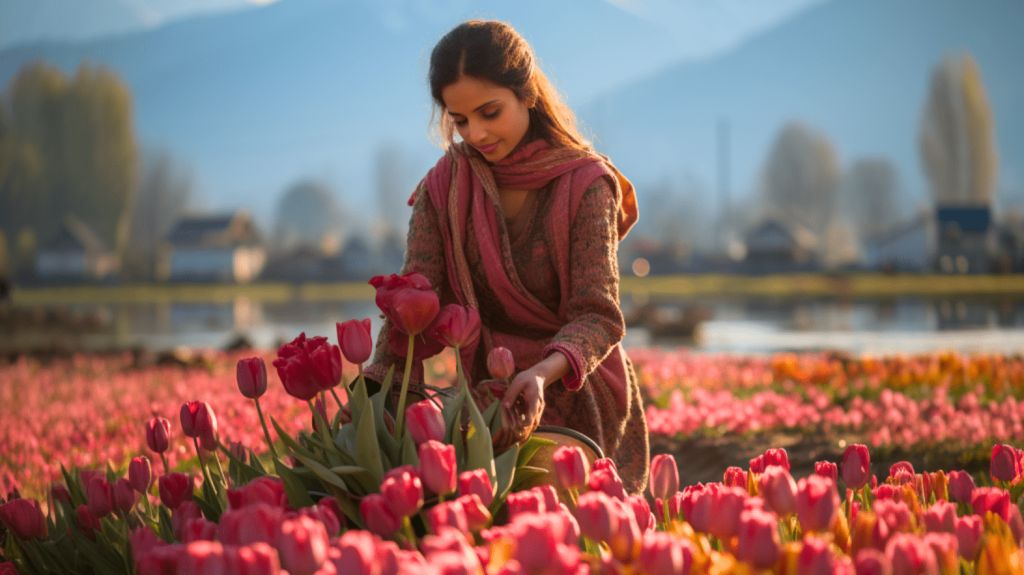
- From late March onwards, snow begins to recede in lower areas. Gardens start blooming. Almond blossoms appear first, followed by tulips and other seasonal flowers. Mughal gardens regain colour. Dal Lake reflects greenery rather than frost.
- If you prefer dramatic contrast and snow-covered scenes, winter delivers that impact. If you enjoy visible change and colour, Kashmir in spring season feels more alive.
Weather: Crisp Cold vs Comfortable Cool
- Winter temperatures in Srinagar and surrounding areas often range between -2°C and 10°C. Nights can drop below freezing. Proper layering becomes essential. Outdoor time feels shorter unless you are prepared for the cold.
- Spring offers milder conditions. Temperatures typically range between 8°C and 20°C. Mornings and evenings remain cool, but daytime exploration becomes easier. Walking through gardens or markets feels more comfortable.
- If cold weather does not bother you, winter can feel magical. If you prefer moderate temperatures without heavy layering, spring is more practical.
Activities: Snow Experiences vs Garden Walks
- Winter activities centre around snow.
- Gulmarg becomes the focal point for skiing and snowboarding. Snowfall creates a distinct seasonal attraction. Even simple activities like walking through snow-covered lanes feel different.
- In contrast, Kashmir in spring season encourages slower exploration. Mughal gardens such as Shalimar Bagh and Nishat Bagh begin to bloom. Tulip Garden opens during peak flowering weeks. Shikara rides on Dal Lake feels calmer without winter fog.
- Spring also makes day trips to Pahalgam and Sonamarg easier due to improved road conditions.
- Your choice depends on whether you want snow-based experiences or open-air sightseeing.
Before you book your stay, explore our detailed Srinagar travel guide to understand the best ways to reach Kashmir with ease.
Crowd Patterns: Festive Winter vs Bloom Season Interest
- Late December and early January see increased travel due to holiday breaks and New Year celebrations. After that period, winter travel slows slightly but remains popular for snow seekers.
- Spring, especially April, attracts travellers interested in flower blooms. The Tulip Garden in Srinagar draws seasonal visitors, making certain areas busier during peak bloom weeks.
- However, spring disperses crowds more evenly across gardens and outdoor spaces compared to concentrated winter snowfall days.
- If you prefer fewer visitors and do not need peak snowfall, early spring may feel balanced.
Photography and Visual Appeal
- Winter photography focuses on contrast. White landscapes against dark wooden houses. Snow-laden trees. Reflections on partially frozen lakes.
- Spring photography shifts toward colour. Blossoming trees. Green lawns. Flower beds. Clear reflections on Dal Lake without frost.
- Both seasons offer strong visual appeal. The question is whether you prefer monochrome drama or layered colour.
Travel Practicality
- Winter travel requires attention to road conditions. Snowfall can temporarily impact routes to Gulmarg or Sonamarg. Flights may occasionally face weather delays during heavy snow.
- Spring generally offers smoother connectivity. Roads reopen fully. Mountain passes begin clearing. Local movement becomes easier.
- If convenience is a priority, Kashmir in spring season offers fewer weather-related uncertainties.
Accommodation and Comfort
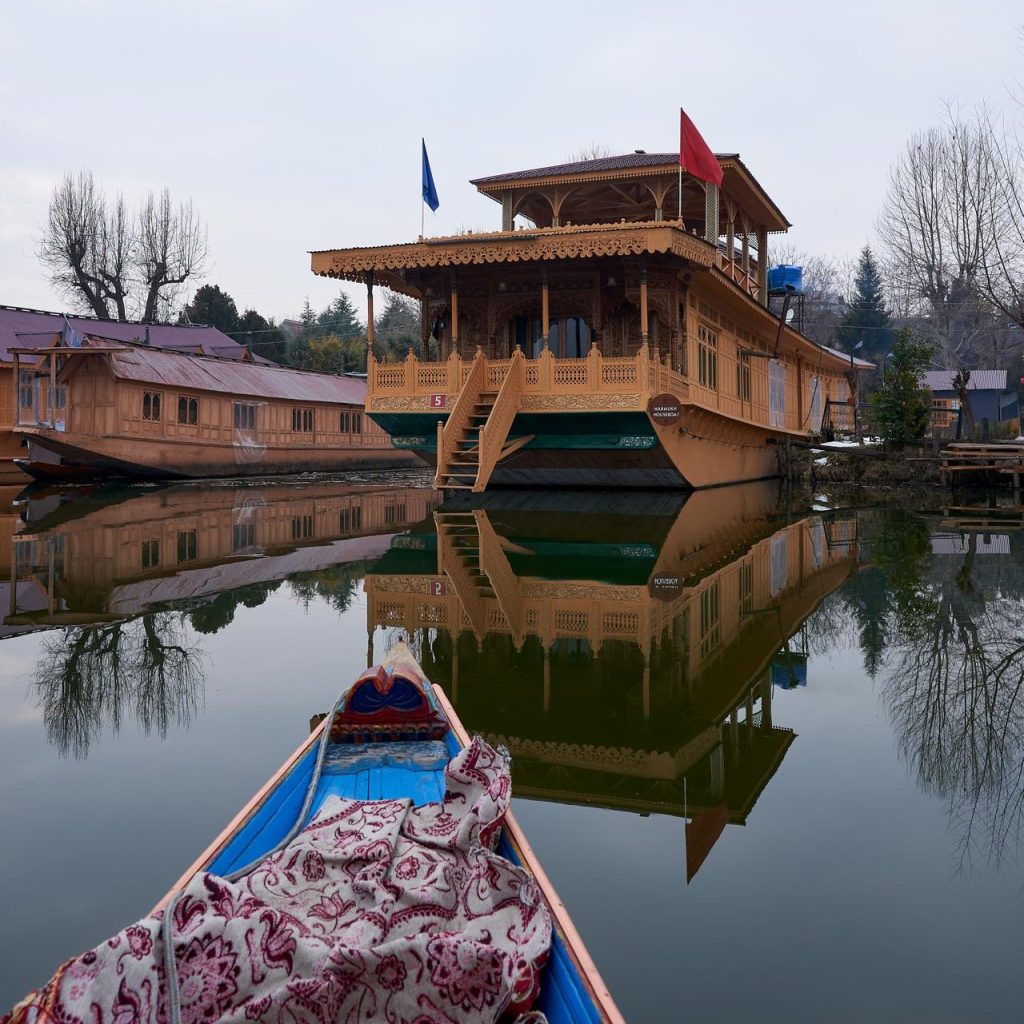
- In winter, heating systems become essential. Staying in properties with proper insulation and backup power matters.
- Spring allows greater flexibility. Outdoor spaces become usable. Lawns, terraces, and lakeside decks regain appeal.
- Curated stays in Srinagar and surrounding areas feel different in each season. In winter, indoor comfort defines the experience. In spring, the focus shifts toward views and outdoor time.
Where You Stay Shapes the Season
- In winter, comfort becomes central to the experience. Heated interiors, warm dining spaces, and attentive service matter more when temperatures drop. A well-managed private stay allows you to enjoy the snowfall without worrying about logistics.
- In contrast, Kashmir in spring season shifts the focus outdoors. Gardens, lakeside decks, and mountain-facing terraces become part of your living space. Staying in a curated private villa or residence allows you to experience both privacy and personalised service while remaining close to Dal Lake and the Mughal gardens.
- Lohono Stays in Srinagar offers fully serviced residences designed for seasonal travel. Whether you are visiting for winter snow or spring blooms, the experience adapts to the climate while maintaining comfort and discretion.
Which Season Matches Your Travel Style?
Choose winter if:
- You want snowfall and snow-covered scenery
- You enjoy cold-weather travel
- You are interested in skiing or winter sports
- You prefer quieter evenings indoors
Choose Kashmir in spring season if:
- You prefer moderate temperatures
- You want to see gardens in bloom
- You enjoy walking tours and sightseeing
- You value smoother travel conditions
Neither season is superior. They simply highlight different sides of the valley.
Conclusion
Kashmir does not change its geography between winter and spring. It changes its tone.
Winter feels dramatic, silent, and defined by snow.
Spring feels fresh, colourful, and easier to explore.
If you want the valley in its starkest form, choose winter. If you want to witness the transition into bloom, choose spring.
The better season is the one that aligns with how you want to experience the landscape.
FAQs
Is spring a good time to visit Kashmir?
Yes. Spring offers comfortable weather, blooming gardens, and improved travel conditions.
When does spring start in Kashmir?
Spring typically begins in late March and continues through April and early May.
Will I see snow in spring?
Snow may still be visible in higher-altitude areas, but lower regions gradually shift to greenery and flowers.